Hello, first post.
I need this fixed as fast as I can. I have just bought my first trailer and set up this trailer (been running this stuff out of my car) and I am trying to learn how this stuff works.
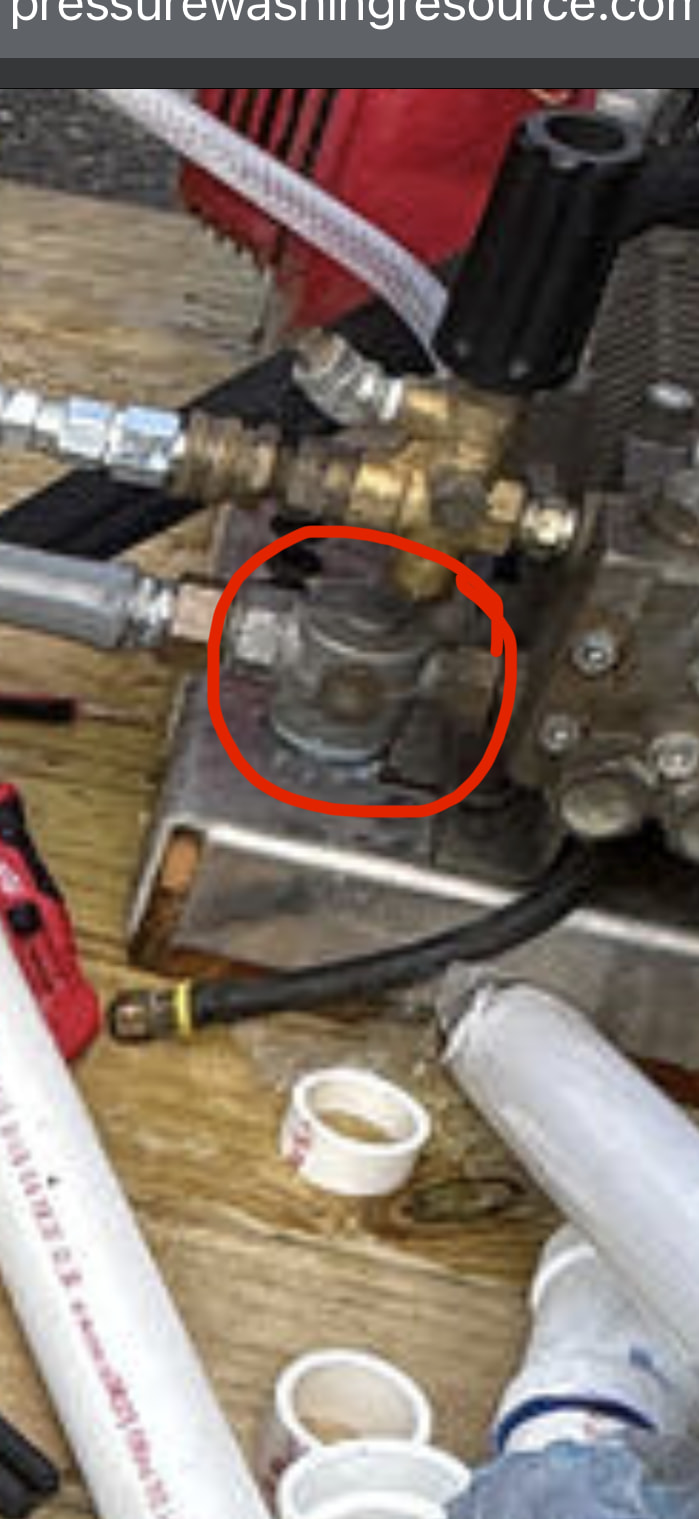
I have a 4.0gpm belt drive and it is starving for water and cavitating. I have opened up the bolts on top (the name escapes me now) but they looked good and then changed out the plumbing to go straight to the pressure washer though the outlet from the buffer tank is a little higher than the inlet for the pressure washer. The PSI is 2,000 and then when I hooked it up straight to my house it was around 3,000 (4,000psi machine) it seems to run semi smooth without hitting the trigger and then cavitation kicks in when I pull the trigger.
Replace the braided vinyl hose with a non-collapsible hose. Braided vinyl can soften and collapse under high vacuum, which restricts flow. You can probably get spa hose locally at a big box if you need it asap, otherwise order some tigerflex.
1 Like
Is that enough to restrict the flow like that? Just the hose? I have a 1” Od and 3/4” ID I figured with a 4gpm that was enough. Also do you think I need to move the filter to next to the inlet to the buffer tank?
A 3/4" ID feed line is generally considered the minimum needed for a 4 GPM pressure washer, so if the braided vinyl hose is collapsing under the inlet vacuum, even slightly, it can restrict enough water flow to cause issues with the pump.
As far as location of filter, I believe the recommended distances is at least 12" or more from the inlet of the pump… Don’t know that if makes much of a difference on how close to the buffer.
1 Like
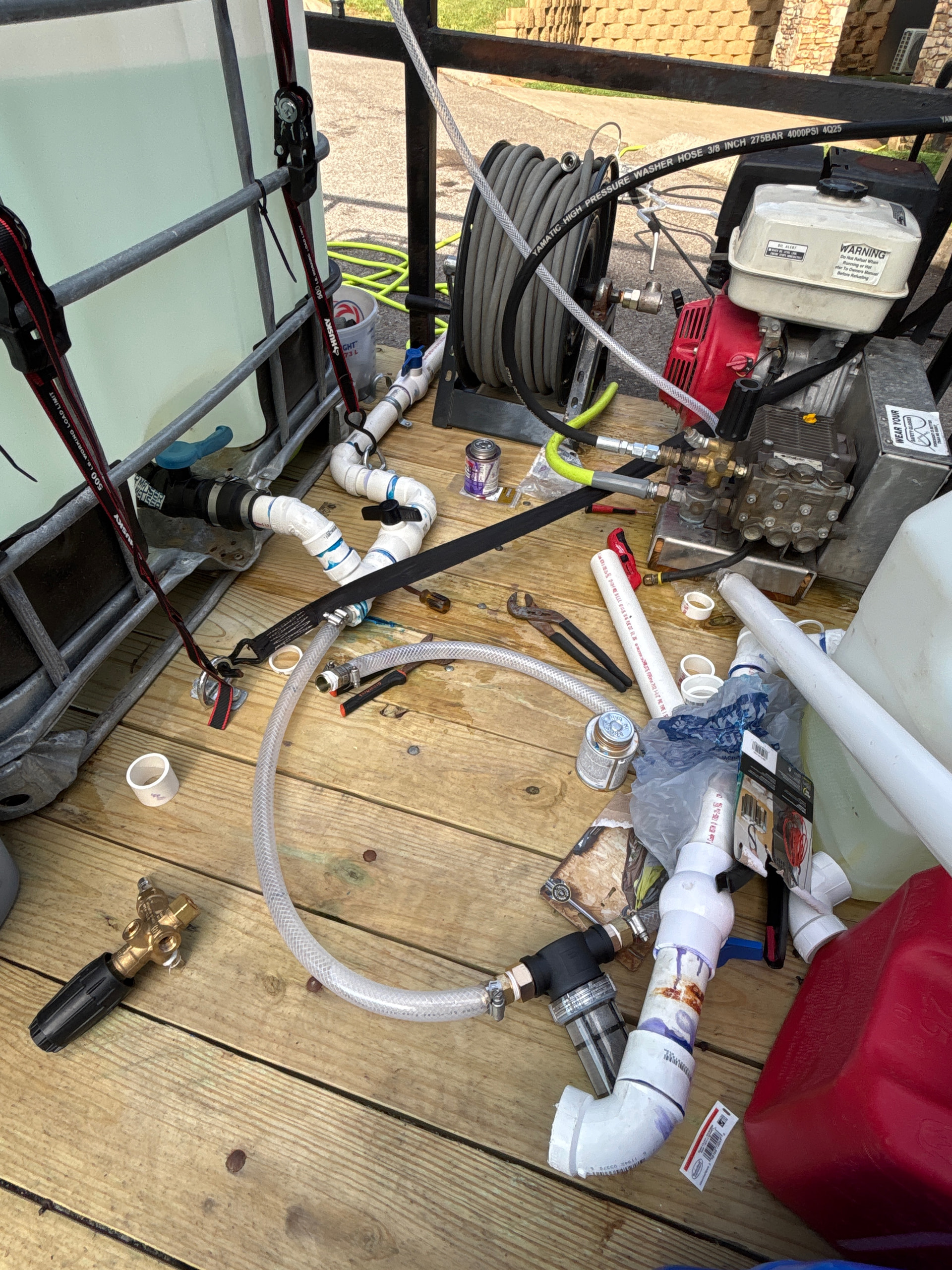
Gotcha I have been told so many things. I have changed the plumbing from the picture to running a hose straight from the tote to the pressure washer (the one I am now gonna replace just bought the non collapsing one) and thought it was a problem where I ran two unloaders on one line. I changed that. I plug the water hose straight to the machine and it is fine running at 3,000psi and then it goes down to 2,000psi and cavitates with the lines jumping too.
Send a photo of how you currently have everything set up… two unloaders can be an issue as well depending on how it’s plumbed, but based on the photo you shared, the biggest/obvious glaring issue is the braided vinyl hose.
When a pressure washer is connected directly to a spigot, the incoming water pressure force feeds the pump and offsets the impact of the vacuum. Feeding from a buffer tank there is little to no inlet pressure other than the small amount provided by gravity. The pump must create enough suction to draw the water, and braided vinyl will not stand up to that.
This is another filter that came with the pressure washer.
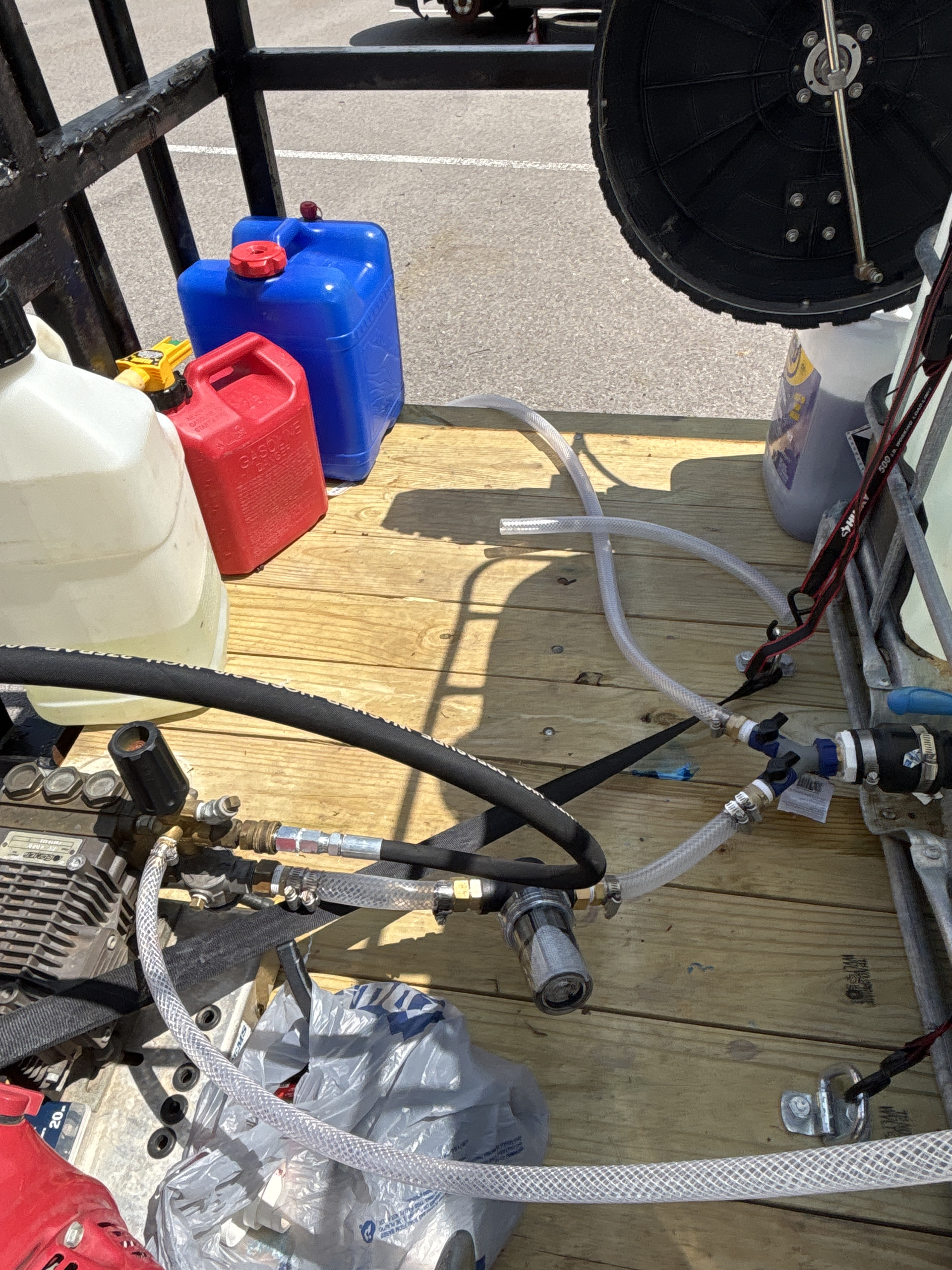
Unfortunately I do not have another picture at the moment. I got rid of the pvc pipes and now have a two way split (for a garden hose) and one side is to dump water and the other goes straight into the pressure washer (both are collapsing hoses though lol) I was told they way I had the plumbing had to many turns in it and could cause some pressure issues? I still have it all attached just took it off and added the above mentioned set up.
I am about at a point to say screw it and by a 5.5gpm water pump. I feel like I wasted about 200-300 on plumbing that doesn’t work.
Ditch the filter that came on the pump, the T filter is enough.
You could have kept the PVC as a dump valve like shown in the photo… some people notice it cracks over time with vibration, but as long as it’s all prior to your filter and isn’t the whole run of plumbing to the pump, it’s fine.
Replace all the braided vinyl with the non-collapsable hose.
Yes sir will do. Whenever I am filling up my buffer tank, can I stop it at like 100gallons and still be fine with the water pressure or is that to low?
Okay… so I think a lot of the confusing advice you have gotten is because most people running 4 gpm machines are using direct drive pumps, not belt or gear driven ones.
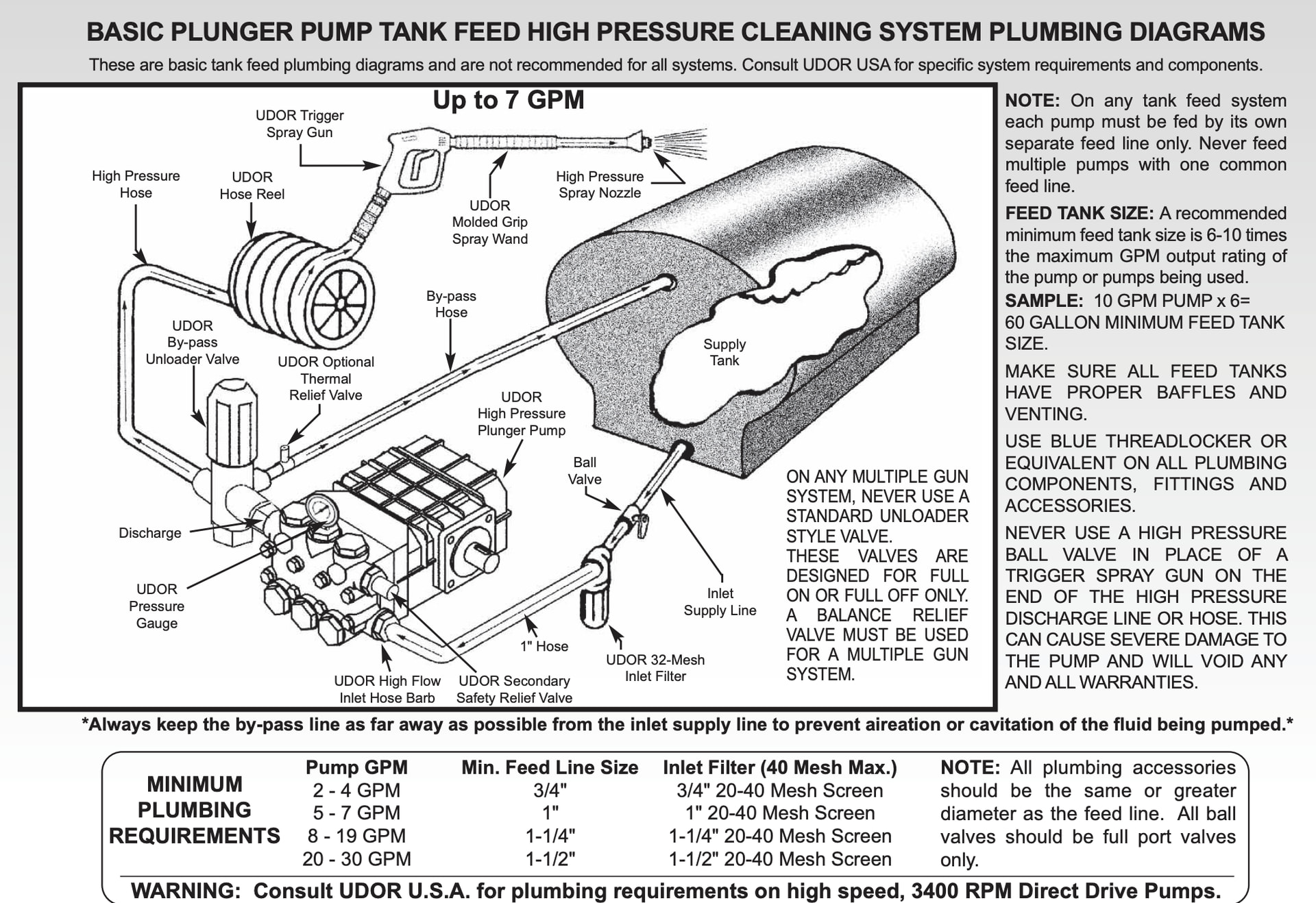
Direct-drive pumps spin at the engines speed (typically around 3,400-3,600 rpm), which gives them less inlet suction than a belt or gear driven pump that turns at a reduced pump speed. Because of that, many direct-drive setups benefit from a flooded inlet, which is why you’ll often see people mounting their buffer tank higher than the machine so gravity helps feed the pump. Some even install a 12V transfer pump to force feed the inlet pressure. Those methods can work, but they’re compensating, convoluted, and create more fail points then necessary.
Belt-driven and gear-driven pumps, on the other hand, produce more inlet suction because they operate at lower pump rpm. In most properly configured systems, they’ll draw from a buffer tank without needing gravity feed or a transfer pump. On my setup, I can run the buffer tank down to about 10–15 gallons before the pump begins to cavitate and sputter.
Gotcha so getting a 12v pump won’t solve my problems at all. Is there any other issues that you could see causing my problems. I am gonna change out the hose tomorrow and then go from there.
A 12V pump is not needed to solve the issue you are having.
If you are wanting to build a 12V Soft Wash System in order to keep cleaning while you get this sorted, then I suppose it would “solve” this problem, but that is a whole different situation.
Based on the problem you are having and the photo you posted, though it sounds like it has changed since then, I do not see any other glaring issues that would impact the situation.
Thank you. I will let you know how it goes and if it improves. Try to get a picture too.
This is the new set up just gotta wait for the noncollapsable hose to get here. And change those out. Which set up is better? I like the straight line of this one but dumping the water I feel like is gonna take a lot longer.
Are you planning on emptying the tank after every job/before driving?
Yes I am. I’m
Dumping after every job because I don’t have the vehicle to pull it all full
I probably would have left the 2" pvc as a dump then.
Another option is to just turn off the spigot before you wrap up the job. Might have to play with timing of it, but if you turn off the water before you finish up rinsing the last side or two of the house you will empty the tank faster via the pressure washer then through the drain hose.
1 Like